
Understanding Soreness and Pain from Physical Activity
Introduction to Soreness and Pain
Engaging in physical activity can bring about a range of sensations, most commonly soreness and pain. It's essential to understand the difference between these two to ensure a healthy relationship with exercise. While soreness is a common and expected part of physical activity, pain may indicate potential injury or overexertion.

What is Muscle Soreness?
Muscle soreness, often referred to as DOMS (Delayed Onset Muscle Soreness), typically occurs after engaging in new or intense exercise. This soreness is a result of microscopic damage to muscle fibers, which leads to inflammation. It's generally a sign that your muscles are adapting and growing stronger.
Soreness usually appears 12 to 24 hours after exercise and can last up to 72 hours. It is often described as a dull, aching sensation and is a normal response to physical activity.
Understanding Exercise-Induced Pain
Unlike soreness, pain during or after physical activity can be a warning sign. It may indicate an injury such as a strain or sprain. Pain is typically sharp and may prevent you from performing daily activities.
If you experience pain that persists or worsens, it’s crucial to rest and consult a healthcare professional. Ignoring pain can lead to more severe injuries.

Preventing Soreness and Pain
There are several strategies to minimize soreness and prevent pain:
- Warm Up: Properly warming up increases blood flow to muscles and prepares your body for exercise.
- Cool Down: Cooling down helps in gradually lowering your heart rate and can aid in recovery.
- Gradual Progression: Increase exercise intensity gradually to allow your body to adapt.
Managing Soreness
While soreness can be uncomfortable, it is generally manageable. Here are some effective ways to alleviate soreness:
- Hydration: Staying hydrated helps reduce muscle cramps and soreness.
- Rest: Allow your muscles time to recover by incorporating rest days into your routine.
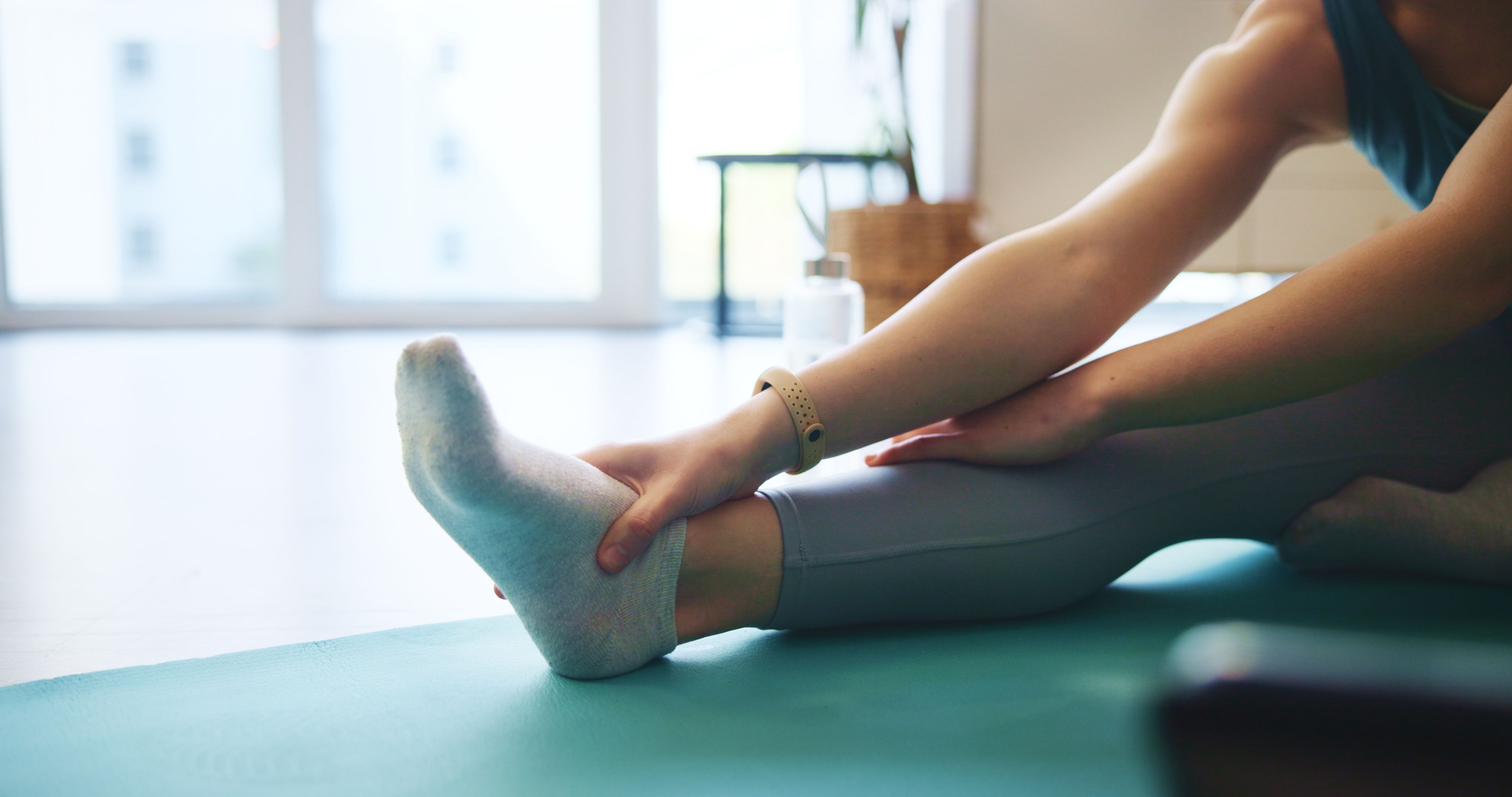
- Stretching and Massage: Gentle stretching and massage can help ease tension and promote recovery.
When to Seek Medical Advice
If soreness or pain is persistent, severe, or accompanied by swelling, it’s essential to seek medical advice. Early intervention can prevent more serious injuries and ensure a safe return to physical activity.
Understanding the signals your body sends is key to maintaining a safe and effective exercise routine. By recognizing the differences between soreness and pain, you can optimize your physical activity and enjoy its numerous benefits.