
Tracing the History of Massage: Insights from Susan Salvo's Guide
The Origins of Massage
Massage therapy has been a cornerstone of health and wellness for thousands of years. According to Susan Salvo's insightful guide, the roots of massage can be traced back to ancient civilizations, where it was practiced as a healing art. The Egyptians, Chinese, and Indians were among the first to develop techniques that have evolved into the therapies we know today.
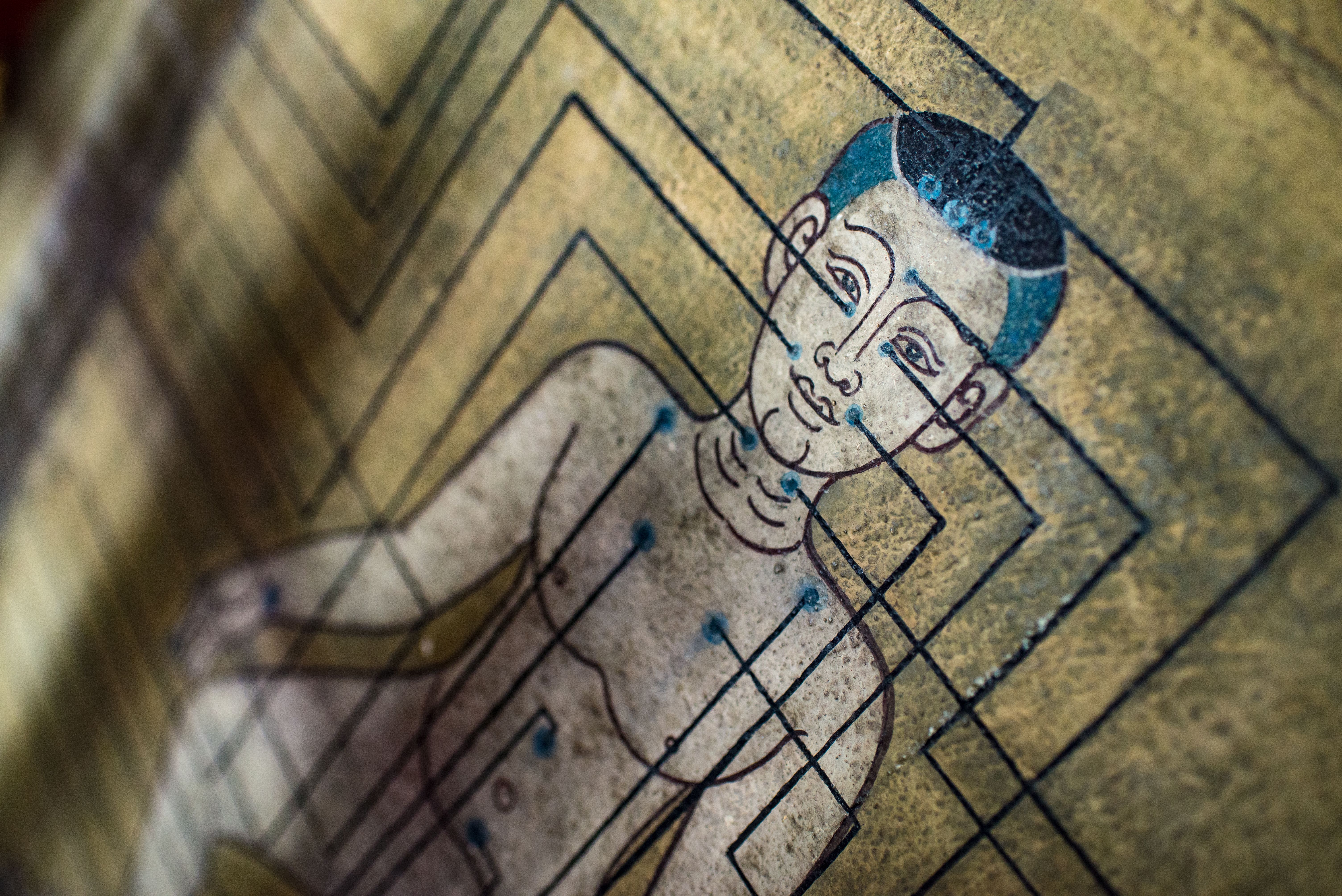
In ancient China, massage was considered a vital part of traditional Chinese medicine. It was used to treat a variety of ailments and was often performed in conjunction with other practices like acupuncture and herbal remedies. Similarly, in India, the practice of Ayurvedic massage aimed to balance the body's energies, promoting health and spiritual well-being.
Evolution Through the Ages
As civilizations progressed, so did the techniques and understanding of massage. In ancient Greece, Hippocrates, often regarded as the father of medicine, wrote about the benefits of massage. His writings indicate that massage was used for pain relief and to improve joint mobility, showcasing its growing importance in medical treatments.
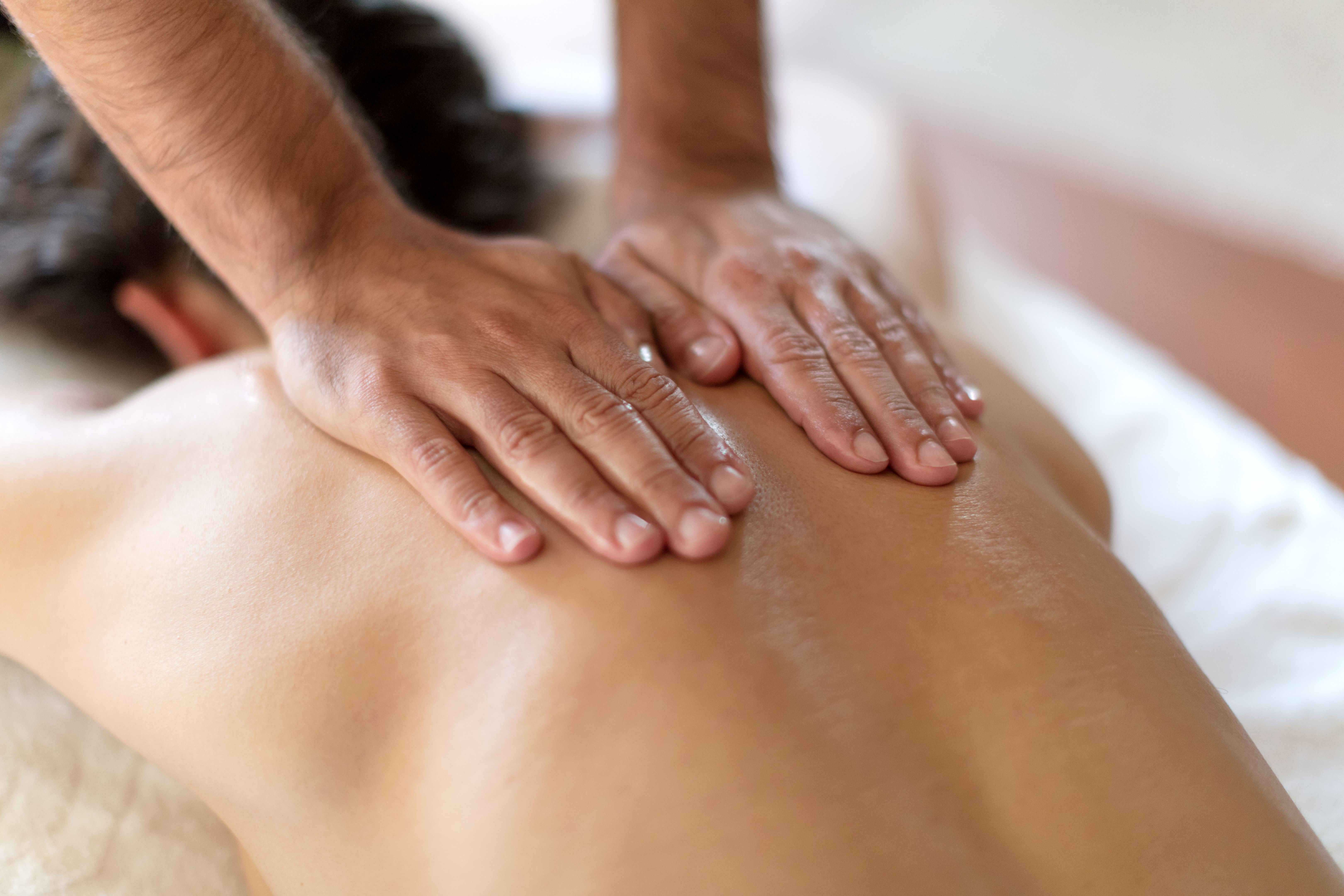
During the Roman Empire, massage was an integral part of Roman baths, where it was used for relaxation and recovery for soldiers. This era saw an expansion in the use of massage, emphasizing its role in health and leisure. However, as the Roman Empire declined, so did the widespread use of massage in Western cultures.
Resurgence in Modern Times
After a period of decline, massage therapy witnessed a resurgence in the 19th century. Swedish massage, developed by Per Henrik Ling, became popular in Europe and eventually spread to the United States. Ling's techniques laid the foundation for many modern massage practices, emphasizing systematic movements to enhance blood circulation and relieve tension.
In the 20th century, the scientific study of massage gained momentum, leading to greater acceptance in the medical community. Research began to highlight the physiological and psychological benefits of massage, such as stress reduction, improved circulation, and enhanced recovery from injuries.
The Influence of Susan Salvo
Susan Salvo's guide provides a comprehensive overview of massage's history, offering insights into its evolution and current practices. Her work emphasizes the importance of understanding historical techniques to improve modern practices. Salvo's contribution to the field is invaluable, as she bridges the gap between ancient wisdom and contemporary science.
Her guide is a resource not only for massage therapists but also for anyone interested in the historical context of this healing art. By tracing its history, Salvo highlights the enduring significance of massage in promoting health and well-being.
Conclusion
Massage therapy's rich history is a testament to its enduring appeal and effectiveness. From ancient civilizations to modern-day practices, its evolution reflects a profound understanding of the human body and its needs. Susan Salvo's guide serves as a vital resource in tracing this journey, offering valuable insights for practitioners and enthusiasts alike.