
The Role of Massage in Post-Surgery Muscle Recovery
Understanding Post-Surgery Muscle Recovery
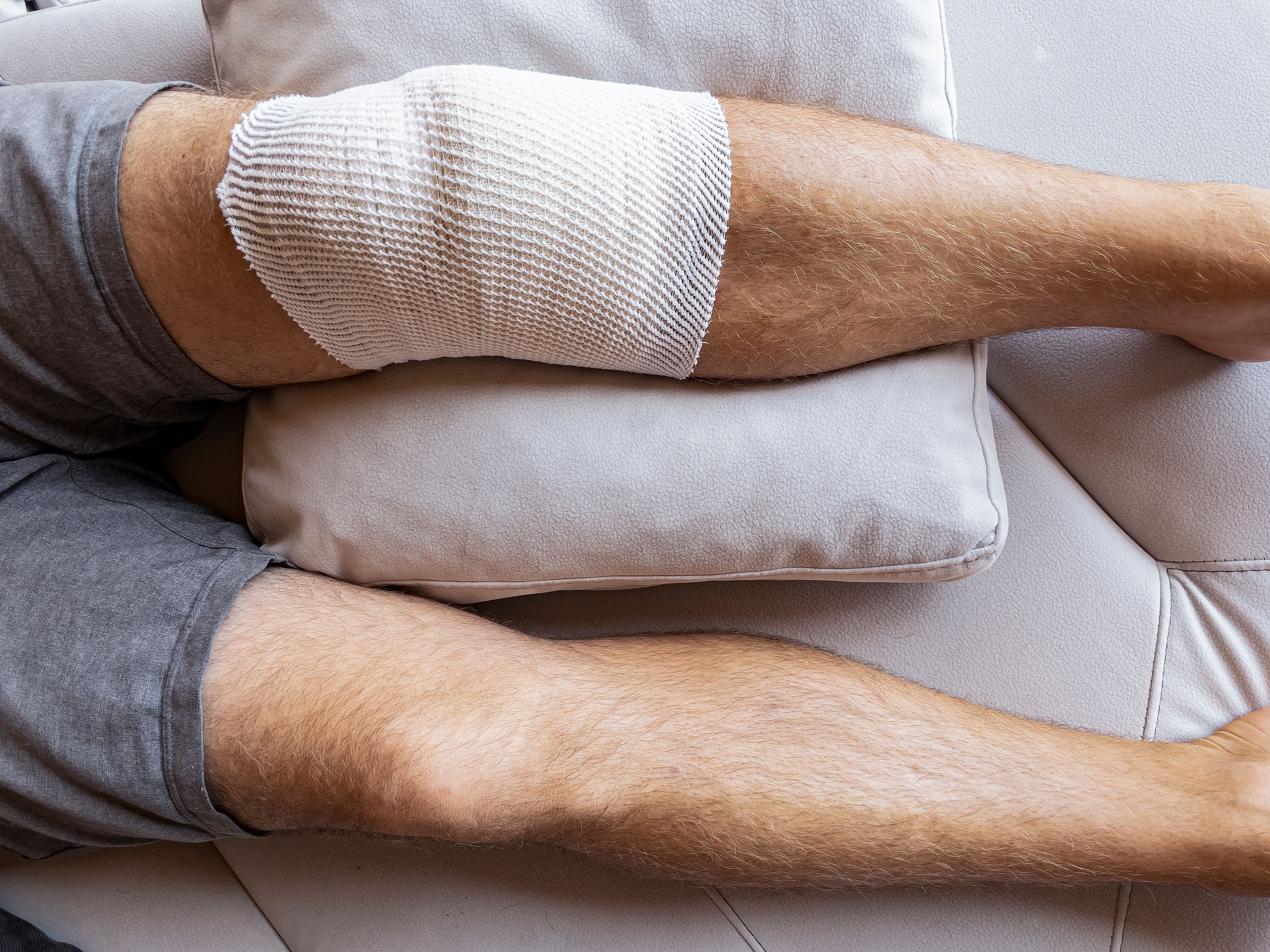
Recovering from surgery can be a challenging and lengthy process. One crucial aspect of recovery is muscle rehabilitation. This is where massage therapy plays a vital role, helping to ease pain and accelerate healing. By focusing on improving circulation and reducing inflammation, massage can be an effective component of post-surgery care.
Post-surgical massage therapy is designed to support the body's natural healing processes. It can help alleviate discomfort, improve mobility, and reduce scar tissue formation. These benefits make it an attractive option for many patients undergoing recovery.

How Massage Aids Recovery
One of the primary benefits of massage in post-surgery recovery is its ability to enhance blood flow. Improved circulation delivers more oxygen and nutrients to the healing tissues, facilitating quicker recovery. This increased blood flow also helps to remove toxins and waste products, further aiding in the healing process.
Massage can also play a significant role in pain management. By reducing muscle tension and promoting relaxation, massage therapy can lessen the discomfort commonly associated with post-surgery recovery. This can lead to a reduced need for pain medications, which often come with unwanted side effects.
Types of Massage Techniques
Various massage techniques can be employed depending on the specific needs and conditions of the patient. Some of the most common methods include:
- Swedish Massage: Known for its gentle approach, this technique focuses on relaxation and stress reduction.
- Deep Tissue Massage: This method targets deeper layers of muscle tissue, helping to relieve chronic tension.
- Lymphatic Drainage: A specialized technique used to reduce swelling and promote fluid movement.
Consulting with Professionals
Before incorporating massage into a post-surgery recovery plan, it's essential to consult with healthcare professionals. Each patient's recovery journey is unique, and a tailored approach is necessary to ensure safety and effectiveness. Collaborating with surgeons and physical therapists can help in developing a massage therapy plan that complements other rehabilitation efforts.

Precautions and Considerations
While massage therapy offers numerous benefits, there are also certain precautions to consider. Patients should ensure that their massage therapist is experienced in post-surgical care and understands the specific needs and limitations of their condition. It's also crucial to avoid massage in areas where there are open wounds or active infections.
Moreover, timing is key. Starting massage therapy too soon after surgery can risk complications, so it's vital to follow the guidance of healthcare providers regarding when to begin treatment.
Conclusion
Massage therapy can be a powerful tool in post-surgery muscle recovery, offering benefits such as enhanced circulation, pain relief, and reduced scar tissue formation. By working closely with medical professionals and qualified massage therapists, patients can incorporate this therapy safely and effectively into their recovery plans.
Ultimately, the role of massage in post-surgery recovery is to support and complement the body's natural healing abilities, helping patients regain strength and mobility more efficiently.