
The Healing Power of Massage Therapy for Muscle Recovery
The Benefits of Massage Therapy
Massage therapy has long been recognized for its ability to promote relaxation and reduce stress. However, its impact goes beyond mere relaxation. For those involved in intense physical activities, massage therapy can be a vital component of muscle recovery. By enhancing blood circulation, reducing muscle tension, and flushing out toxins, massage therapy plays a significant role in the recovery process.
One of the primary benefits of massage therapy is its ability to increase blood flow to the muscles. This increased circulation helps deliver essential nutrients and oxygen to the muscles, promoting faster recovery. Additionally, massage helps reduce inflammation and swelling, which can alleviate pain and discomfort.

Types of Massage for Muscle Recovery
Different types of massage can be used to aid muscle recovery. Some popular options include:
- Swedish Massage: A gentle form of massage that uses long strokes, kneading, and circular movements to relax muscles.
- Deep Tissue Massage: Focuses on the deeper layers of muscle tissue, ideal for relieving chronic muscle tension.
- Sports Massage: Specifically designed for athletes, it helps prevent injuries and improves flexibility.
Each type of massage offers unique benefits, allowing individuals to choose the one that best suits their needs and recovery goals. Whether you're an athlete or someone looking to ease muscle tension, understanding the differences can help you make an informed decision.
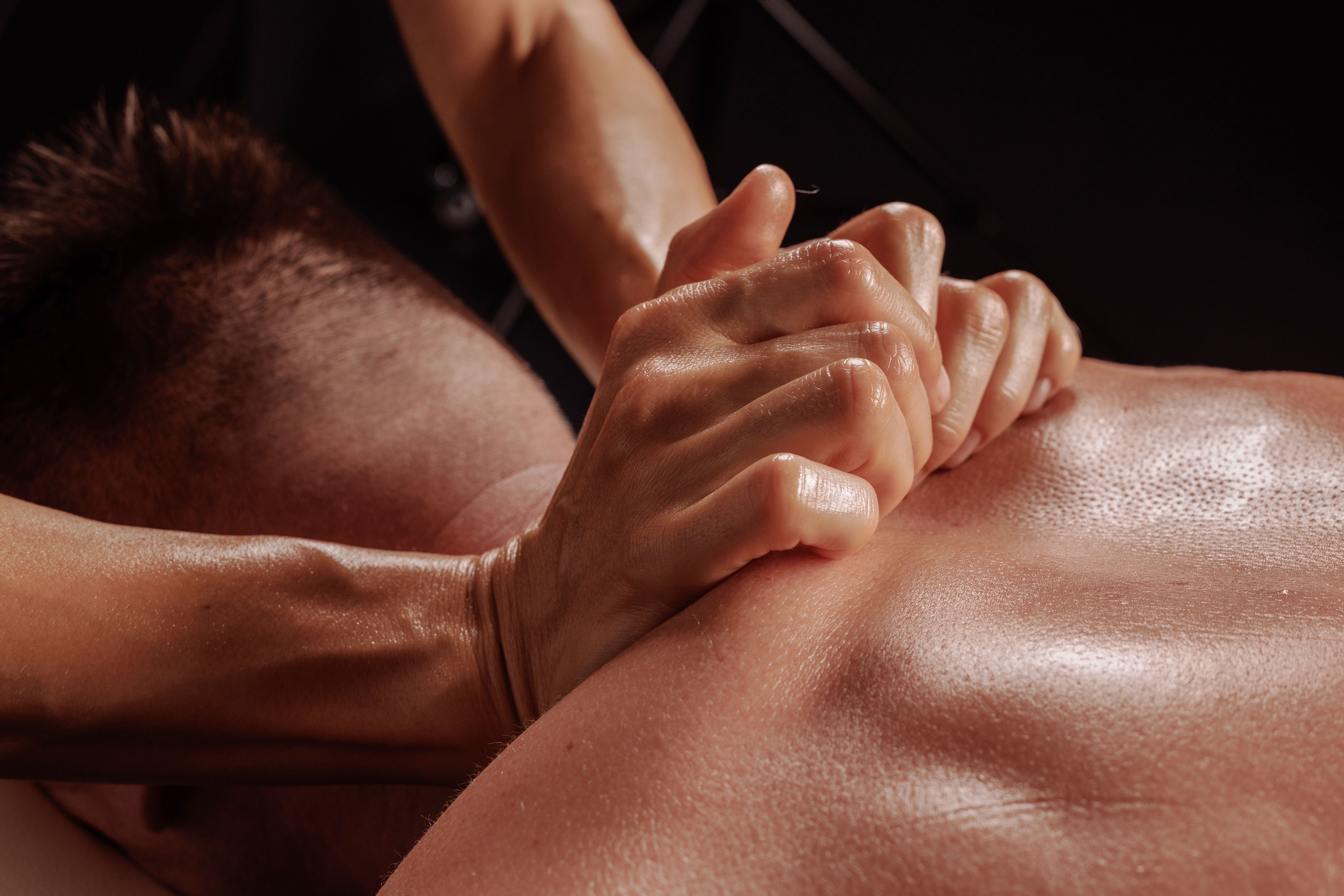
How Massage Therapy Aids Muscle Recovery
Massage therapy aids in muscle recovery by reducing the buildup of lactic acid in the muscles. This reduction helps decrease muscle soreness and accelerates the healing process. By breaking down scar tissue and adhesions, massage therapy improves mobility and flexibility, which are crucial for recovery.
Moreover, massage therapy promotes the release of endorphins, the body's natural painkillers. This release not only reduces pain but also enhances mood, which can be beneficial for individuals recovering from injury or intense physical activity.
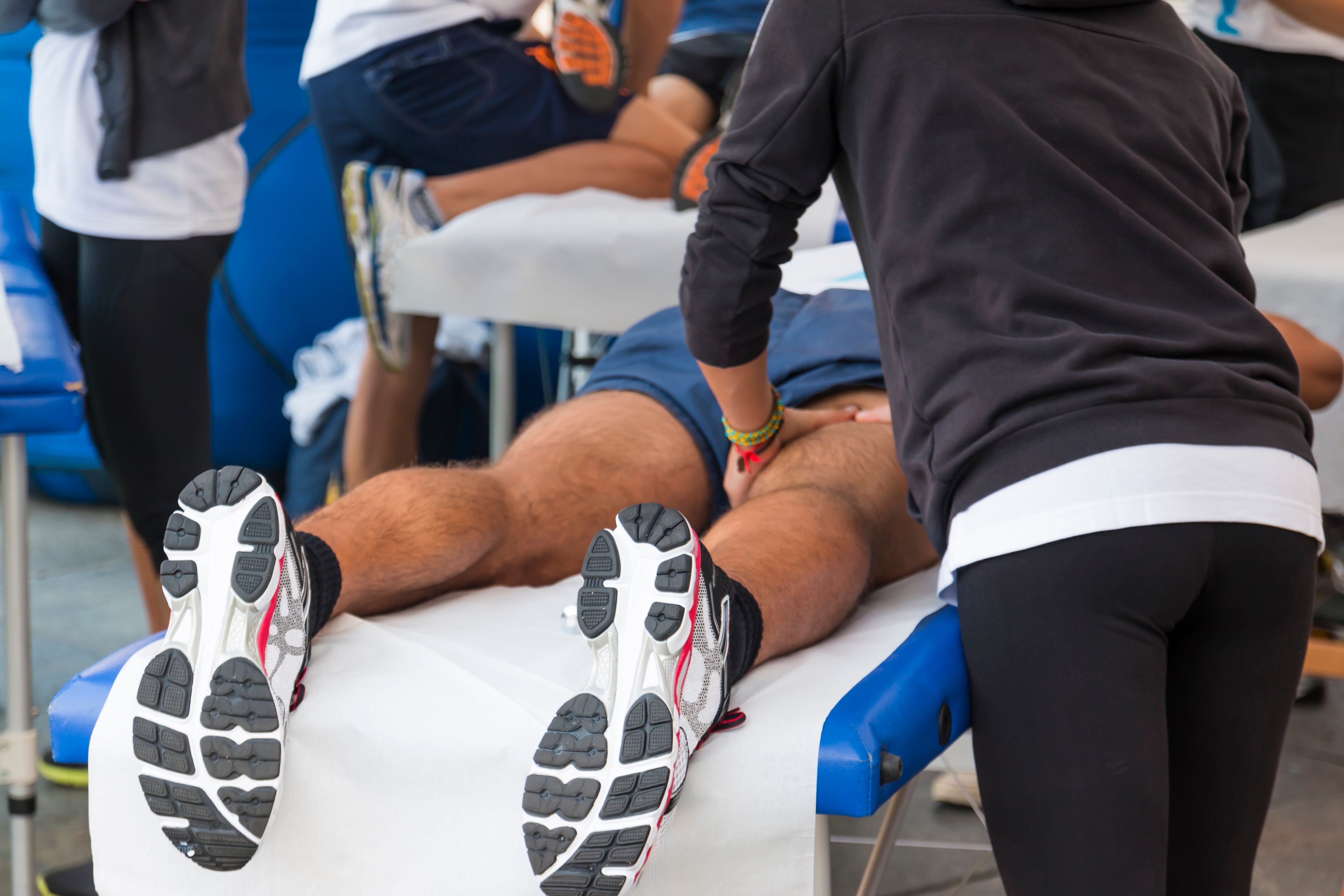
Incorporating Massage into Your Routine
Incorporating regular massage sessions into your routine can have lasting benefits. Here are some tips to make the most of your massage therapy:
- Schedule regular sessions, especially after intense workouts or competitions.
- Communicate with your therapist about your specific needs and problem areas.
- Stay hydrated before and after your massage to aid in toxin removal.
By consistently incorporating massage therapy into your routine, you can enhance your overall well-being and improve your body's ability to recover from physical exertion.
Conclusion
The healing power of massage therapy for muscle recovery is undeniable. From enhancing circulation to reducing muscle tension, its benefits are numerous. Whether you're an athlete or simply looking to improve your muscle health, massage therapy can play a crucial role in your recovery journey. Consider making it a regular part of your self-care routine to experience its transformative effects.