
Exploring the Mechanics of Muscle Contractions
Understanding Muscle Contractions
Muscle contractions are fundamental to all voluntary and involuntary movements in the body. The process is complex, involving a series of biochemical reactions. This article delves into the intricate mechanics behind muscle contractions, offering insights into how our muscles function smoothly and efficiently.
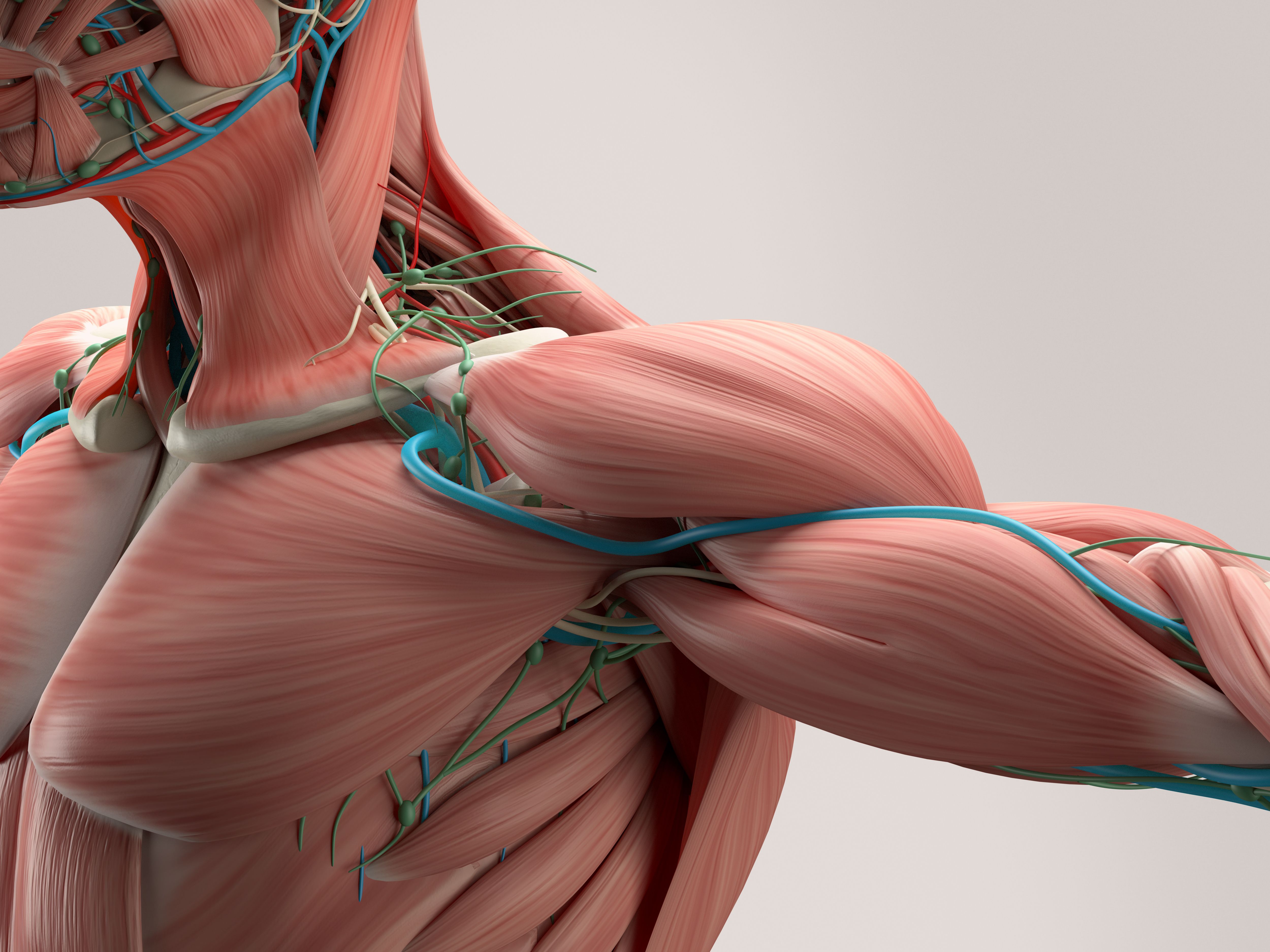
The Role of Muscle Fibers
Muscle fibers are the building blocks of muscle tissue. They are composed of smaller units known as myofibrils, which contain the proteins actin and myosin. These proteins interact to produce contractions through a process known as the sliding filament theory. Understanding the function of these fibers is essential to grasp how muscles contract.
When a muscle contracts, the myosin heads bind to actin filaments, pulling them closer together. This action shortens the sarcomere, the functional unit of a muscle fiber, resulting in contraction. The energy for this process is provided by ATP, a crucial molecule that fuels cellular activities.
The Neuromuscular Connection
Muscle contractions are initiated by signals from the nervous system. Neurons release neurotransmitters at the neuromuscular junction, a specialized synapse where motor neurons communicate with muscle fibers. This interaction triggers an electrical impulse that travels along the muscle fiber, leading to contraction.

Calcium ions play a significant role in this process. When the electrical impulse reaches the muscle fiber, calcium is released from the sarcoplasmic reticulum, a specialized organelle that stores calcium. The presence of calcium enables the binding of myosin to actin, facilitating contraction.
Types of Muscle Contractions
There are three primary types of muscle contractions: isotonic, isometric, and eccentric. Each type has distinct characteristics and serves different functions in the body.
- Isotonic Contractions: These occur when a muscle changes length during contraction, producing movement. Examples include lifting weights or performing a bicep curl.
- Isometric Contractions: In this type, the muscle generates force without changing length. Holding a plank position is a common example.
- Eccentric Contractions: These occur when a muscle lengthens under tension, such as when lowering a weight slowly.

Factors Influencing Muscle Contractions
Several factors can affect muscle contractions, including muscle fatigue, temperature, and hydration levels. Fatigue can reduce the efficiency of contractions, while optimal temperatures and hydration are essential for peak performance.
Additionally, the frequency and intensity of neural signals can influence contraction strength. High-frequency signals result in stronger contractions, which is why athletes often engage in specific training regimens to enhance neuromuscular efficiency.
Conclusion
Exploring the mechanics of muscle contractions reveals the intricate processes that enable movement. From the role of muscle fibers and the neuromuscular connection to the various types of contractions, understanding these elements provides valuable insights into human physiology. By appreciating the complexity of these processes, we can better understand how to optimize muscle function for improved performance and overall health.