Exploring Assistive Stretching: An Alternative to Deep Tissue Massage
Understanding Assistive Stretching
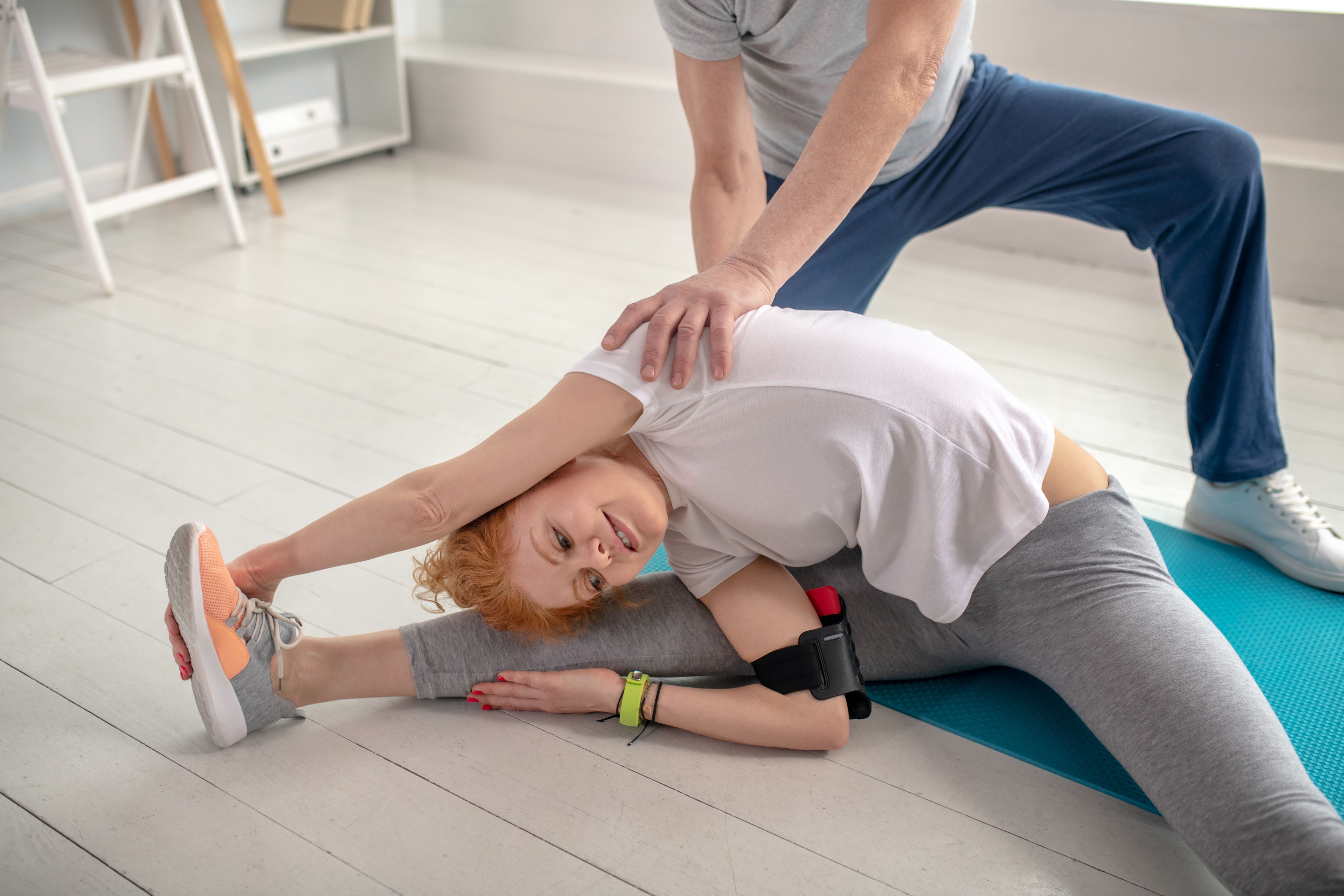
Assistive stretching is gaining popularity as an alternative to more traditional methods like deep tissue massage. It involves a trained practitioner helping clients stretch their muscles and improve their flexibility. This method provides a unique approach to relieving tension and promoting overall well-being.
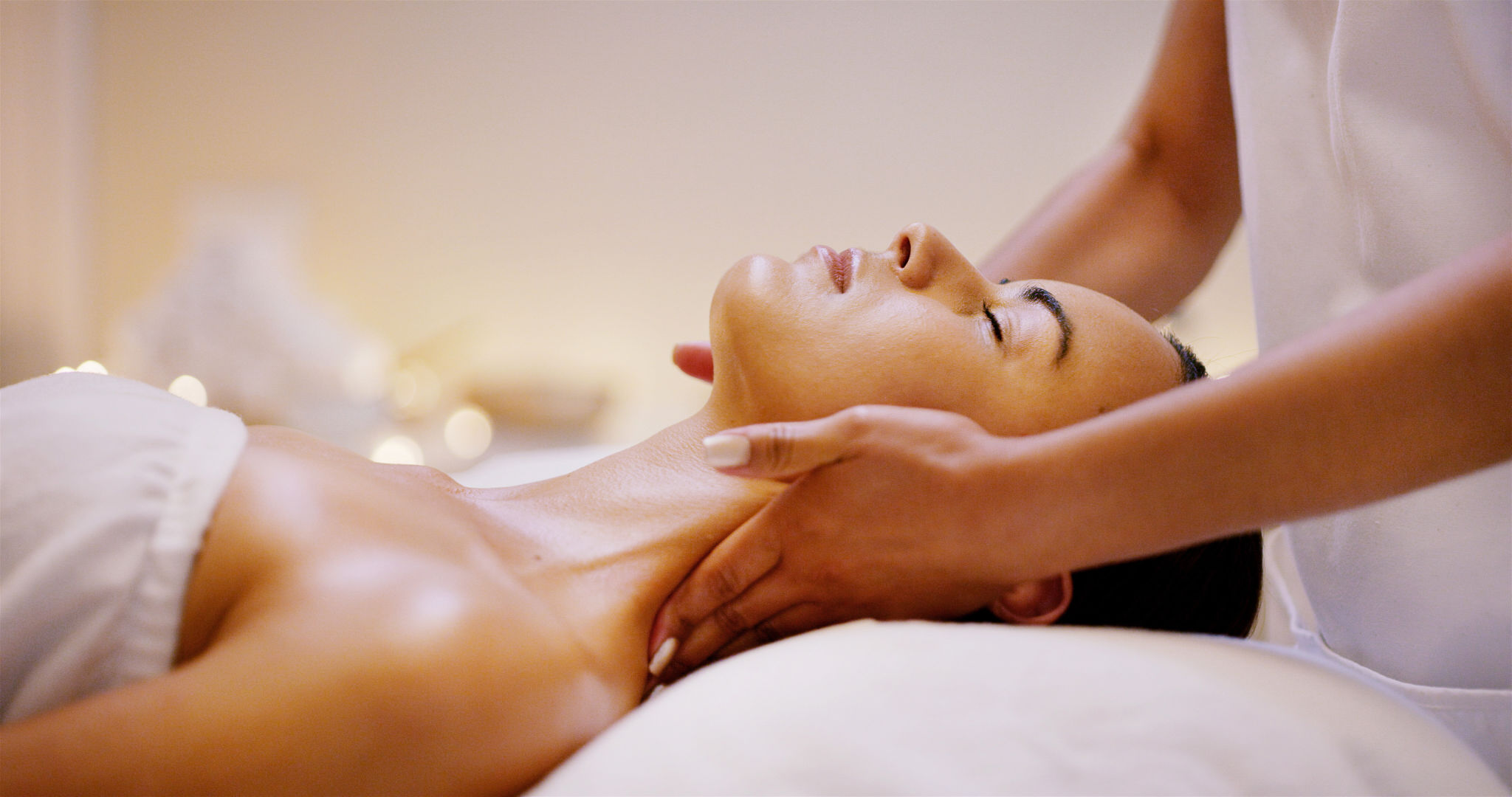
Unlike deep tissue massage, which focuses on applying pressure to relieve muscle knots, assistive stretching emphasizes the gentle elongation of muscles. This can be particularly beneficial for individuals who find deep tissue massage too intense or painful.
The Benefits of Assistive Stretching
Engaging in regular assistive stretching sessions can offer numerous benefits. Here are a few key advantages:
- Increased Flexibility: Regular stretching helps improve the range of motion in joints, enhancing flexibility.
- Improved Posture: By elongating and loosening tight muscles, assistive stretching can help correct posture issues.
- Stress Relief: The gentle nature of assistive stretching can promote relaxation and reduce stress levels.
Who Can Benefit?
Assistive stretching is suitable for a wide range of individuals. From athletes looking to enhance their performance to office workers seeking relief from prolonged sitting, this technique can be tailored to meet various needs. Even those recovering from injuries or surgeries may find it beneficial as part of their rehabilitation process.

Comparing Assistive Stretching and Deep Tissue Massage
While both assistive stretching and deep tissue massage aim to improve muscle function and reduce pain, they differ significantly in their approach. Deep tissue massage uses firm pressure to reach deeper muscle layers, often resulting in soreness. In contrast, assistive stretching offers a less invasive experience, focusing on gentle manipulation.
For those who are sensitive to pressure or prefer a more relaxed approach, assistive stretching might be the ideal choice. However, it's essential to consider personal preferences and specific body needs when choosing between these options.
Getting Started with Assistive Stretching
Interested in trying assistive stretching? Here are some steps to get you started:
- Research Qualified Practitioners: Ensure that the practitioner is certified and experienced in assistive stretching techniques.
- Discuss Your Goals: Communicate any specific areas of concern or goals with your practitioner to tailor the session to your needs.
- Wear Comfortable Clothing: Opt for flexible clothing to allow for a full range of motion during the session.
By incorporating assistive stretching into your routine, you may discover a new path to improved health and well-being. Whether you're an athlete or someone seeking relaxation, this alternative therapy offers a gentle yet effective way to enhance your physical health.