Expert Tips: Maximizing Relaxation with Swedish Massage Techniques
Swedish massage is renowned for its relaxing and therapeutic benefits, making it a popular choice for those seeking to unwind and rejuvenate. By incorporating specific techniques, you can maximize the relaxation experience and reap the full benefits of this massage style.

Understanding Swedish Massage
Swedish massage focuses on improving circulation and promoting relaxation through a series of techniques. These techniques include effleurage, petrissage, friction, tapotement, and vibration. Each method serves a unique purpose, contributing to an overall sense of well-being.
Effleurage involves long, sweeping strokes that help to warm up the muscles and stimulate blood flow. This technique is often used at the beginning and end of a massage session. Petrissage, on the other hand, involves kneading the muscles to release tension and improve flexibility.
Setting the Right Atmosphere
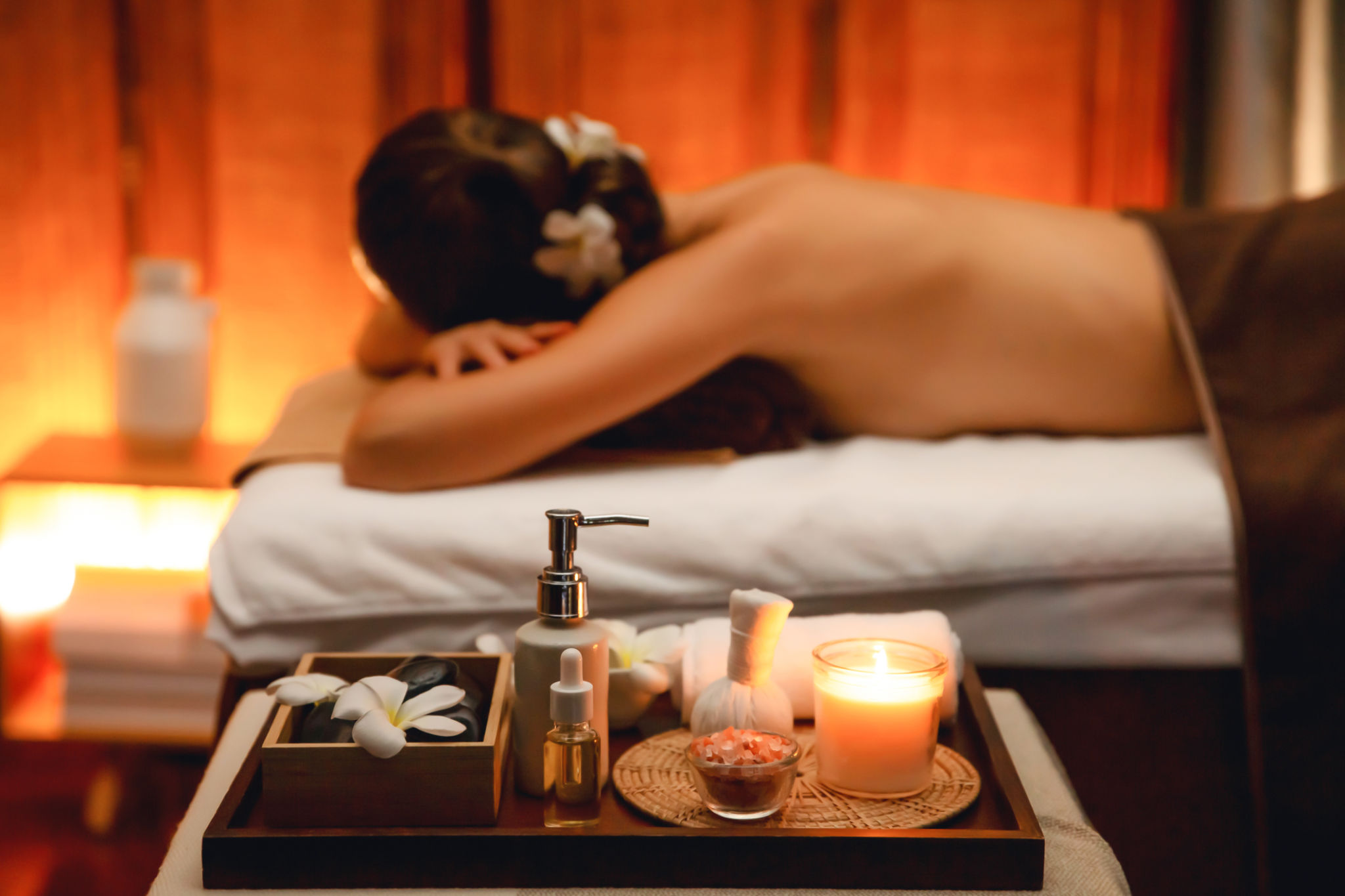
Creating a tranquil environment is essential for maximizing relaxation. Consider dimming the lights, playing soft music, and using calming scents like lavender or chamomile. A comfortable massage table with soft linens also enhances the experience.
Incorporating Breathing Techniques
Encouraging deep, mindful breathing during the massage can significantly enhance relaxation. Instructing clients to focus on their breath helps them to release tension and fully engage with the massage process. Slow, deep breaths can also aid in reducing stress levels.
Some practitioners use guided breathing exercises at the beginning of a session to help clients center themselves. This practice sets a calm tone and prepares the body for the therapeutic work ahead.
Using Essential Oils
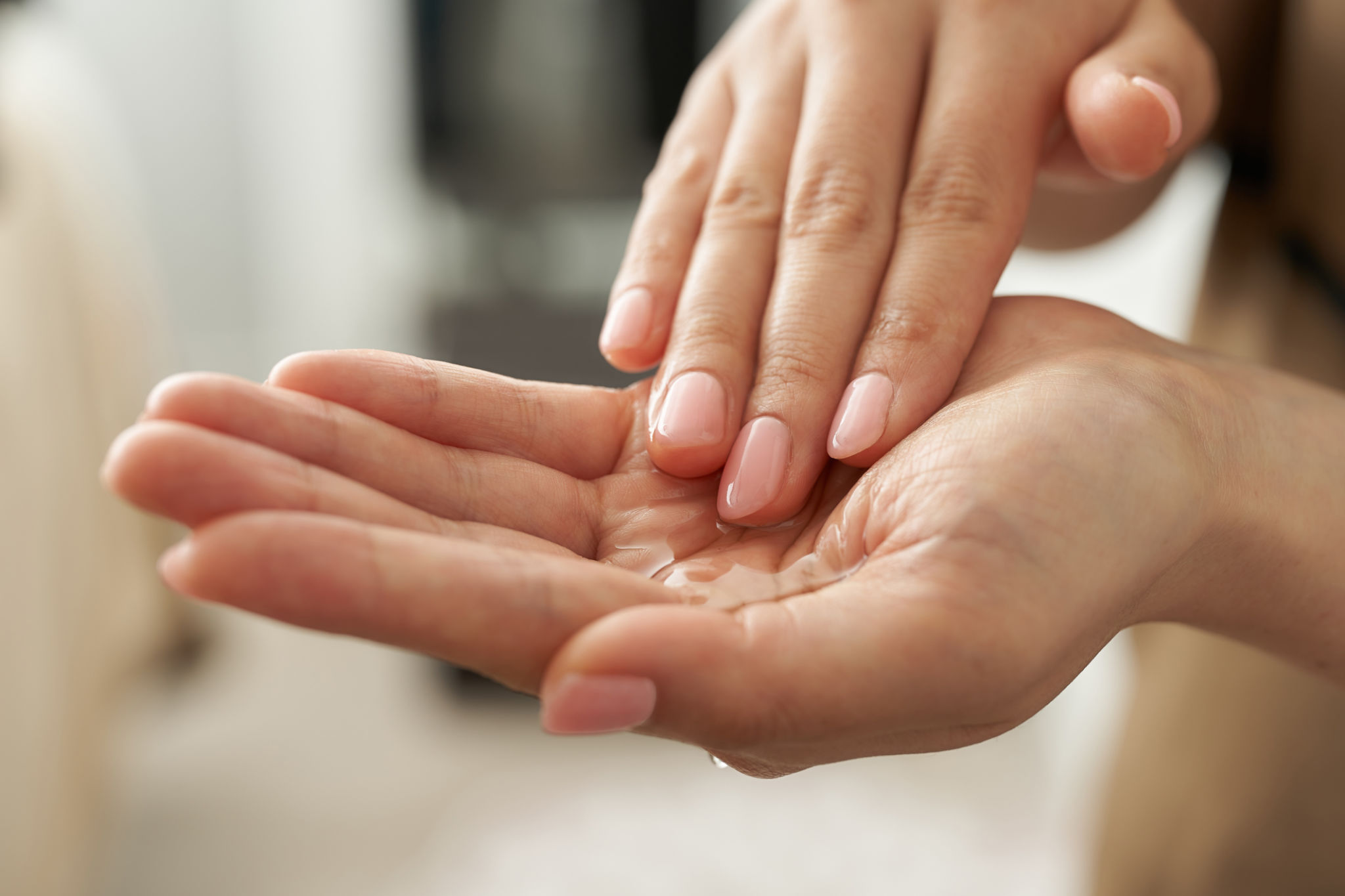
Essential oils can complement the effects of Swedish massage by adding an aromatic element. Oils like eucalyptus, lavender, and peppermint can be used to enhance relaxation, relieve muscle tension, and uplift the spirit. Dilute oils properly before applying them to the skin to avoid irritation.
Communicating with Your Therapist
Open communication with your massage therapist is crucial for a tailored experience. Clients should feel comfortable expressing their preferences, such as areas of tension or desired pressure levels. This feedback allows therapists to adjust their techniques for maximum benefit.
By sharing any specific concerns or goals, such as stress relief or muscle recovery, clients can help therapists focus their efforts effectively.
Post-Massage Care
After a Swedish massage, it's important to take some time to rest and hydrate. Drinking water helps to flush out toxins released during the massage, while a short period of relaxation allows the body to fully absorb the benefits. Gentle stretches can also help maintain flexibility and prolong the sense of relaxation.

Incorporating these expert tips into your Swedish massage routine can elevate your relaxation experience, offering both physical relief and mental rejuvenation. Whether you're a seasoned enthusiast or new to massage therapy, these techniques can help you achieve a deeper state of relaxation and overall wellness.