
Enhancing Your Massage Experience with Assistive Stretching
Massage therapy has long been a popular method for relaxation and healing. However, incorporating assistive stretching into your massage routine can further enhance these benefits. This practice not only aids in relieving tension but also improves overall flexibility and mobility.
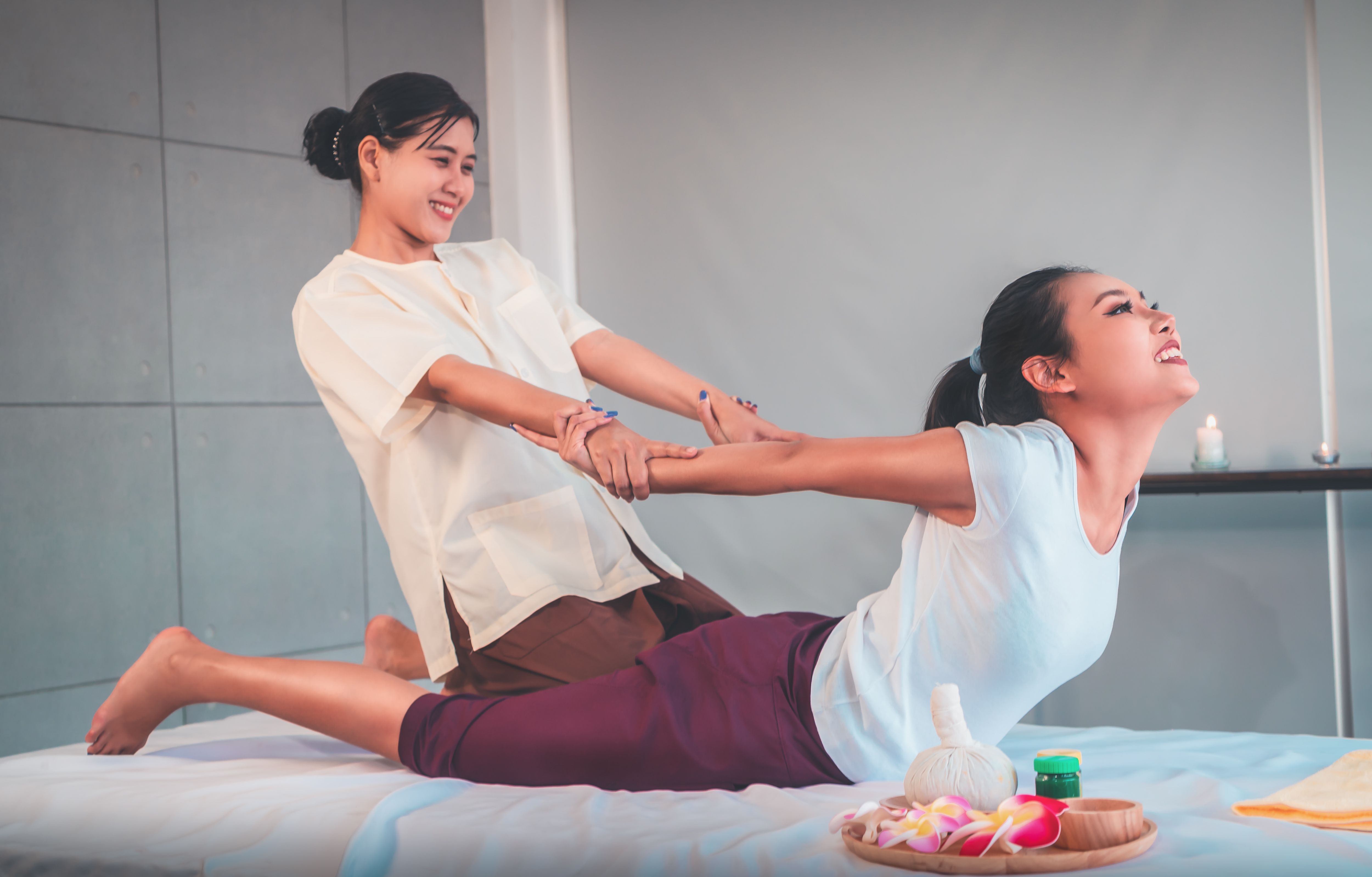
Assistive stretching involves a therapist guiding your body through various stretches, allowing for a deeper and more effective stretch than you might achieve on your own. This combination can lead to a more comprehensive therapeutic experience.

Benefits of Assistive Stretching
Adding assistive stretching to your massage routine offers several key benefits. First, it can help to increase your range of motion, making everyday activities easier and more comfortable. By targeting specific muscles, stretching can also prevent injuries and reduce the risk of strains.
Moreover, assistive stretching can enhance blood circulation throughout the body. Improved circulation helps in delivering essential nutrients to muscles and tissues, promoting faster recovery and reducing muscle soreness after physical activities.
Reducing Stress and Tension
One of the primary reasons people seek massages is to alleviate stress. Assistive stretching can significantly enhance this aspect by releasing muscle tension more effectively. The combination of massage and stretching targets both superficial and deep layers of muscles, leading to a profound sense of relaxation.
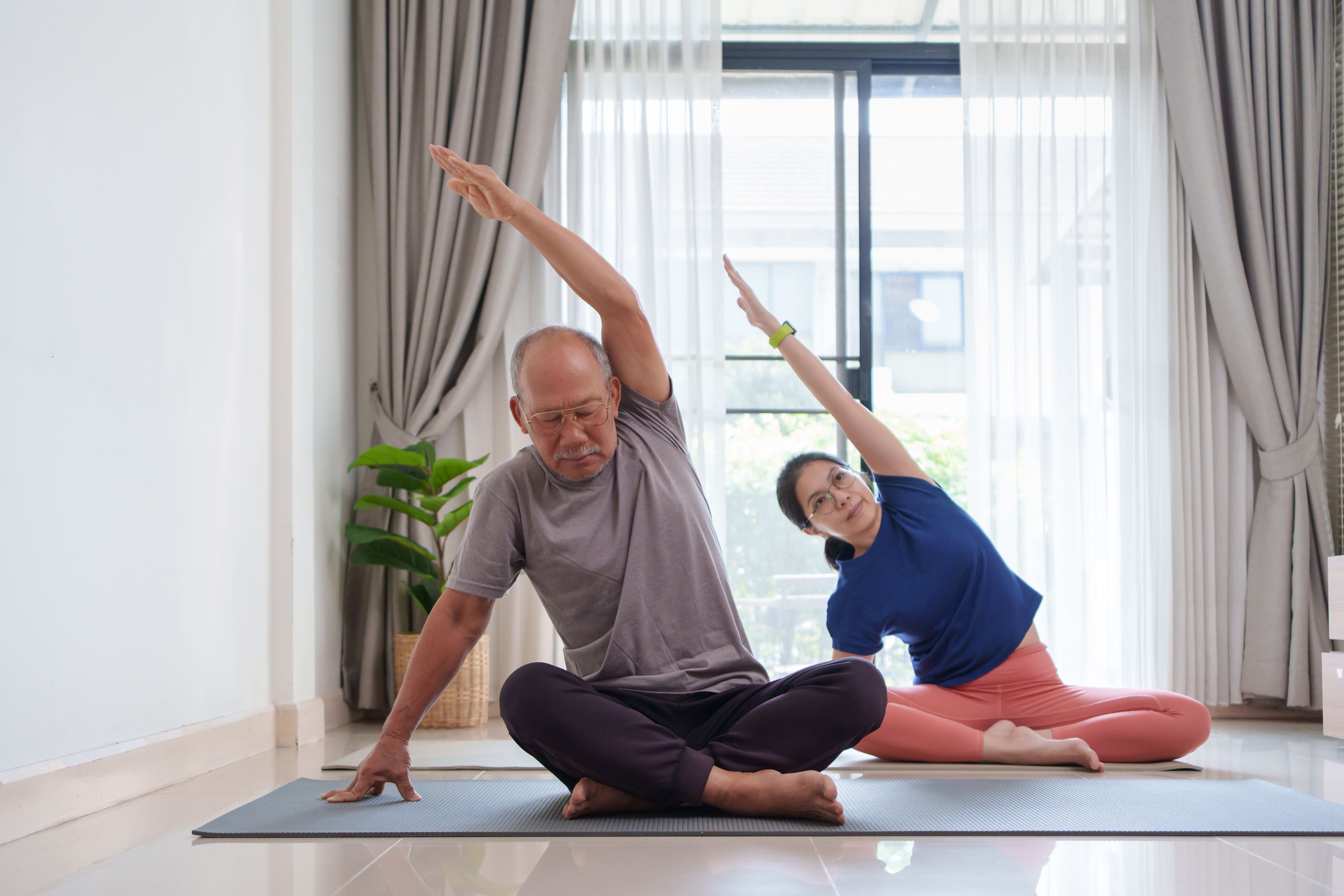
Integrating Stretching into Your Massage Routine
If you're considering adding assistive stretching to your massage, it's crucial to communicate with your therapist. Discuss your goals, areas of tension, and any previous injuries. This information will help your therapist tailor the session to meet your specific needs.
During the session, your therapist will guide you through stretches, ensuring proper form and technique. This guidance is pivotal in preventing injury and maximizing the effectiveness of each stretch.
Finding the Right Therapist
Choosing a therapist experienced in assistive stretching is essential for a beneficial experience. Look for professionals with certifications in both massage therapy and stretching techniques. This ensures they have the knowledge and skills necessary to safely and effectively integrate these practices.
Aftercare and Continuing Benefits
Post-session care is an important aspect of any massage therapy. Drink plenty of water to help flush out toxins and consider gentle stretching at home to maintain flexibility. Regular sessions can help keep your muscles supple and reduce the frequency of tension build-up.
Overall, combining massage with assistive stretching offers a holistic approach to wellness. Whether you're an athlete looking to enhance performance or someone seeking relief from daily stress, this dynamic duo can be a game-changer in your self-care routine.